
Introduction
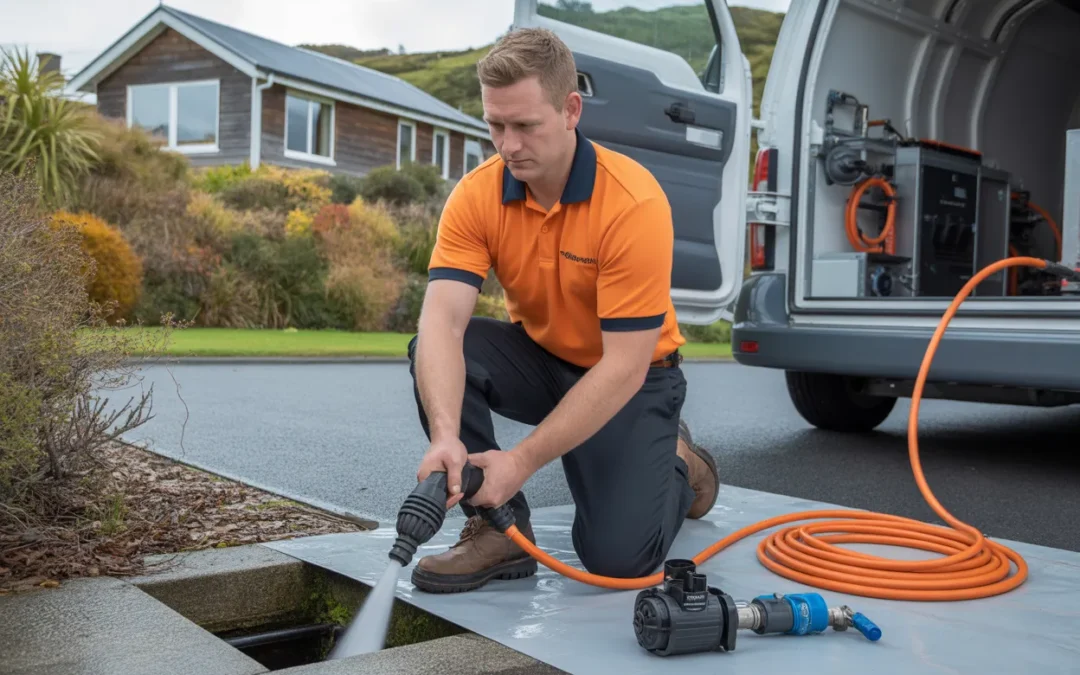
Blocked drains represent one of the most common and frustrating plumbing problems affecting Kapiti Coast households. Whilst a slow-draining sink might seem like a minor inconvenience initially, blocked drains can rapidly escalate into serious issues involving sewage backups, property damage, and expensive emergency repairs. Understanding what causes drain blockages, recognising early warning signs, and knowing when professional intervention becomes essential protects both your property and your household budget.
The Kapiti Coast's unique environmental conditions create specific drainage challenges that homeowners in other regions rarely face. Salt air accelerates pipe corrosion, coastal vegetation produces aggressive root systems seeking moisture, and hard water contributes to mineral buildup that gradually restricts flow. Combined with everyday household waste disposal habits, these factors mean Kapiti properties experience drain blockages more frequently than many New Zealand homes.
This comprehensive guide explores the seven most common causes of blocked drains affecting Kapiti Coast properties, the warning signs that indicate developing problems before complete blockages occur, and the critical distinction between minor clogs suitable for DIY solutions and serious blockages requiring professional drainage expertise. Whether you're dealing with a sluggish kitchen sink, a toilet that won't flush properly, or multiple drains showing simultaneous problems, understanding drainage fundamentals empowers informed decisions that prevent minor issues from becoming major disasters.
Key Takeaways
- Blocked drains affect most Kapiti Coast homes eventually, with grease, hair, tree roots, and foreign objects causing majority of blockages
- Early warning signs include slow drainage, gurgling sounds, unpleasant odours, water pooling, and multiple affected fixtures
- Kapiti's salt air, hard water, and coastal vegetation create unique drainage challenges requiring local expertise
- Kitchen blockages typically stem from grease, food waste, and soap scum accumulating in pipes over time
- Bathroom blockages commonly result from hair combined with soap residue forming dense masses restricting water flow
- Tree root intrusion affects older Kapiti properties, with roots infiltrating pipes through tiny cracks seeking moisture
- Foreign objects flushed down toilets—wet wipes, sanitary products, paper towels—cause severe blockages despite "flushable" labelling
- Multiple drains blocking simultaneously indicates main sewer line problems requiring immediate professional attention
- DIY solutions work for minor surface clogs but attempting to clear serious blockages risks pipe damage and personal injury
- Chemical drain cleaners often worsen problems whilst damaging pipes, particularly older systems common throughout Kapiti
- Professional drainage services use CCTV cameras, hydro-jetting, and specialised equipment diagnosing root causes rather than temporary fixes
- Preventative maintenance including regular inspections and mindful disposal habits prevents majority of drainage emergencies
- Duke's Plumbing provides comprehensive blocked drain services throughout Kapiti Coast with local expertise and professional equipment
The 7 Most Common Causes of Blocked Drains in Kapiti Coast Homes
Understanding what causes drain blockages helps homeowners prevent problems before they develop whilst recognising situations requiring professional intervention. These seven causes account for the vast majority of drainage issues affecting Kapiti Coast properties.
1. Grease, Fats and Cooking Oils
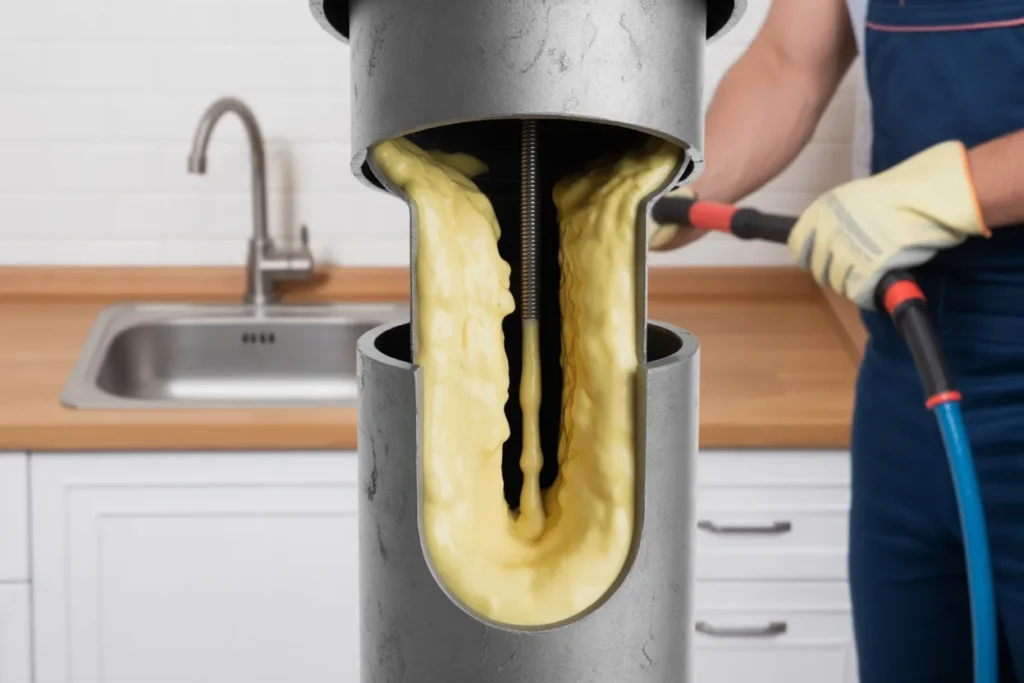
Grease represents the leading cause of kitchen drain blockages throughout New Zealand, and Kapiti Coast proves no exception. When hot cooking oils, fats, and grease pour down kitchen sinks, they flow smoothly initially whilst maintaining liquid temperatures. However, as these substances cool within pipes, they solidify into sticky deposits coating pipe interiors.
Over time, these grease deposits accumulate layer upon layer, progressively narrowing pipe diameter whilst trapping other debris passing through drains. Food particles, soap residue, and mineral deposits stick to grease layers, accelerating blockage formation. Eventually, pipes become so constricted that water flow slows dramatically or stops completely.
The problem compounds in Kapiti's cooler climate, where underground pipe temperatures remain lower than warmer regions, causing fats to solidify more readily. Additionally, many Kapiti homes feature longer pipe runs between kitchen sinks and main drainage lines compared to compact urban properties, providing extended distances for grease accumulation.
2. Hair and Soap Scum Combination
Bathroom drains, particularly shower and bathtub drains, commonly block due to hair accumulation combined with soap scum. Individual strands of hair wash down drains daily during showering, gradually collecting around drain covers, in P-traps, and along pipe interiors. Unlike many organic materials, hair doesn't decompose quickly, persisting in drainage systems for extended periods.
When combined with soap residue—which hardens as it cools—hair forms dense, fibrous masses that water struggles to penetrate. Modern soap formulations containing moisturisers and conditioning agents create particularly sticky residues that bind hair more effectively than traditional soaps. These hair-and-soap blockages develop gradually, with drainage slowing progressively until complete obstruction occurs.
Bathroom sink drains experience similar problems from shaving, hair brushing over sinks, and daily grooming activities. The smaller diameter of bathroom sink drains compared to shower drains means blockages develop more rapidly despite lower hair volumes.
3. Food Waste and Coffee Grounds
Despite widespread belief that food waste washes harmlessly down kitchen sinks, many food types contribute significantly to drain blockages. Starchy foods including rice, pasta, and bread expand when saturated, creating sticky masses that clog pipes. Fibrous vegetables like celery and asparagus wrap around pipe interiors and drain mechanisms, catching other debris whilst restricting flow.
Coffee grounds present particular problems. Whilst individually tiny, grounds don't dissolve in water and instead settle in pipes like sand, gradually accumulating into solid masses. Eggshells contribute similar issues—tiny shell fragments combine with other debris, forming concrete-like deposits especially problematic when combined with grease.
Kapiti households without garbage disposals face heightened risks, as all food waste must travel through standard drainage systems designed primarily for liquids and dissolved materials. Even homes with disposals experience problems when disposals don't fully pulverise waste or when inappropriate materials enter systems.
4. Tree Root Intrusion
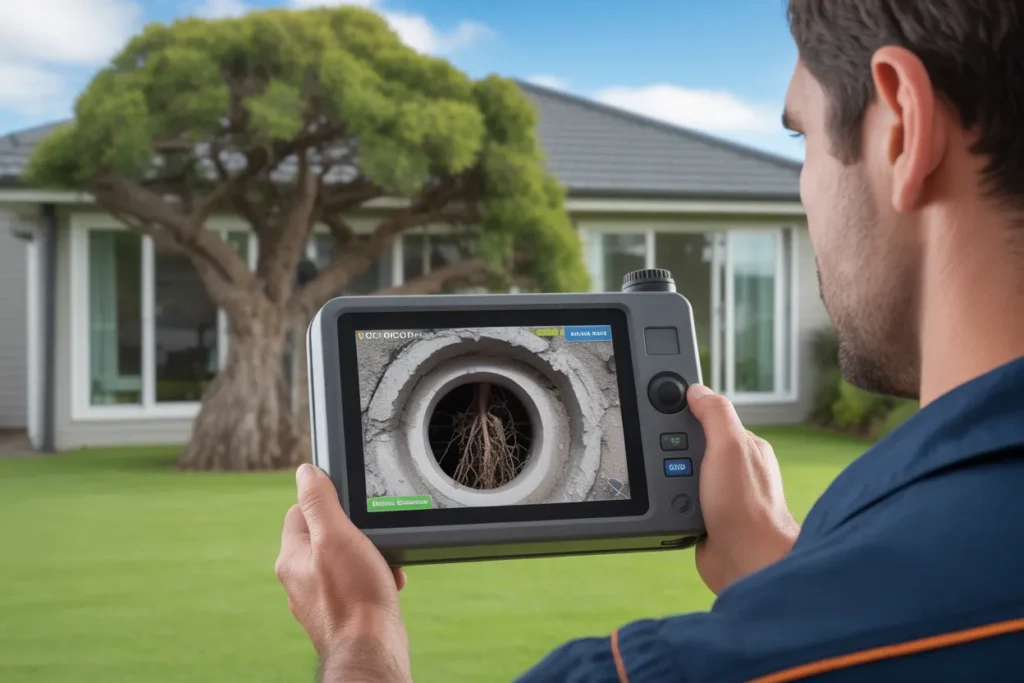
Tree root intrusion represents a serious drainage problem affecting many older Kapiti Coast properties. Trees naturally seek moisture and nutrients, with root systems extending far beyond visible canopy areas. When roots encounter underground drainage pipes, they infiltrate through tiny cracks, loose joints, or deteriorated sections, attracted by water and nutrients flowing within.
Once inside pipes, roots expand rapidly, creating dense masses that trap debris whilst physically blocking drainage. Root intrusion typically affects main sewer lines rather than smaller household drains, meaning multiple fixtures throughout properties experience simultaneous drainage problems when roots cause blockages.
Kapiti's abundant vegetation including established trees common throughout coastal properties creates elevated root intrusion risks. Popular local species including pohutukawa, macrocarpa, and willow feature particularly aggressive root systems. Older properties with clay or concrete pipes prove especially vulnerable, as these materials develop cracks more readily than modern PVC alternatives whilst lacking the joint integrity of contemporary installations.
5. Foreign Objects and "Flushable" Wipes
Toilets designed to handle human waste and toilet paper struggle with items that don't disintegrate quickly in water. Wet wipes—even those marketed as "flushable"—represent major contributors to toilet and sewer blockages throughout New Zealand. Unlike toilet paper engineered to break apart rapidly when wet, wipes maintain structural integrity, collecting in pipes and catching other materials.
Sanitary products, paper towels, cotton buds, dental floss, and similar items create similar problems. Children's toys, excessive toilet paper, and various household items accidentally or intentionally flushed compound these issues. Foreign object blockages often occur suddenly rather than developing gradually, with toilets overflowing immediately when objects lodge in drains.
Main sewer lines experience severe blockages when accumulated wipes and foreign objects combine with grease and other debris, creating massive obstructions requiring professional hydro-jetting or mechanical removal. Kapiti's coastal councils have highlighted wet wipe problems as significant contributors to public sewer system blockages, with issues affecting both private property connections and municipal infrastructure.
6. Mineral Buildup from Hard Water
Kapiti Coast water contains relatively high mineral concentrations—particularly calcium and magnesium—characterising "hard water" throughout the region. Whilst hard water doesn't present health concerns, mineral deposits gradually accumulate inside pipes, reducing effective diameter whilst creating rough interior surfaces that catch debris.
This mineral buildup, commonly visible as white or grey scale deposits on fixtures and appliances, affects drainage pipes invisibly within walls and underground. Over years, substantial deposits develop, progressively restricting water flow. The problem compounds in hot water pipes, where elevated temperatures accelerate mineral precipitation.
Combined with soap—which reacts with hard water minerals forming insoluble compounds—these deposits contribute to stubborn blockages particularly problematic in bathroom drains. Older Kapiti properties with original plumbing installed decades ago often feature severely restricted pipes from accumulated mineral deposits, with blockages occurring more frequently as effective pipe diameter diminishes.
7. Deteriorating or Damaged Pipes
Pipe deterioration affects older Kapiti Coast properties, with aging drainage systems developing cracks, collapsed sections, misaligned joints, and corroded areas that impede drainage. Kapiti's salt air accelerates metal pipe corrosion, particularly affecting older galvanised steel and cast iron systems common in properties built before 1980.
Collapsed or bellied pipes—sections that have settled or shifted creating low points—allow debris and sediment to accumulate rather than flowing freely. Ground movement from coastal erosion, nearby construction, or tree root pressure can misalign pipe joints, creating gaps where materials catch whilst roots infiltrate.
Corrosion from both external environmental factors and internal chemical reactions gradually deteriorates pipe interiors, with rust and corrosion fragments themselves contributing to blockages. These structural problems often manifest as recurring blockages in specific locations, with temporary clearing providing only brief relief before blockages reform.
Warning Signs of Developing Drain Blockages
Recognising early warning signs allows intervention before complete blockages occur, potentially avoiding emergency situations and minimising damage. These indicators signal developing drainage problems requiring attention.
Slow Draining Water
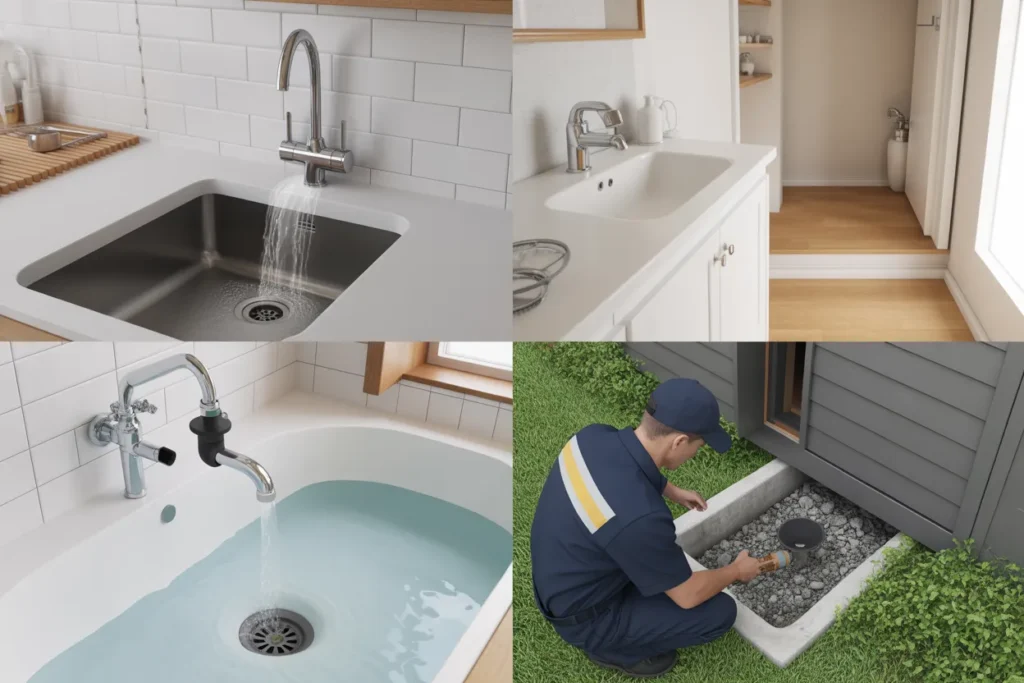
The most obvious warning sign involves water draining more slowly than normal from sinks, showers, baths, or toilets. This gradual slowdown indicates partial blockages developing within drainage systems. Kitchen sinks taking progressively longer to empty, shower water pooling around feet during bathing, or toilets requiring multiple flushes all signal restricted drainage requiring investigation.
Early-stage slow drainage often appears intermittent, with flow varying depending on usage patterns and what materials have recently entered drains. As blockages worsen, drainage slows consistently regardless of usage. Addressing slow drainage early prevents complete blockages whilst often allowing simpler, less expensive solutions than those required for total obstructions.
Gurgling Sounds from Drains
Gurgling noises emerging from drains, toilets, or plumbing fixtures indicate air trapped within drainage systems by developing blockages. When water flows past partial obstructions, displaced air escapes through available openings, creating characteristic gurgling sounds. These noises often occur when flushing toilets, draining sinks, or using washing machines.
Gurgling may also occur when using one fixture causes sounds from another—for example, flushing a toilet creates gurgling in a nearby shower drain. This cross-fixture noise indicates blockages affecting shared drainage lines, suggesting problems beyond individual fixture drains within main household drainage systems.
Unpleasant Odours
Foul smells emanating from drains signal accumulated organic matter decomposing within pipes. Kitchen drain odours typically stem from food waste and grease breaking down, whilst bathroom drains produce smells from hair, soap scum, and other debris. These odours worsen in warm weather when bacterial activity accelerates decomposition.
Persistent drain odours despite regular cleaning indicate blockages trapping material within pipes beyond reach of surface cleaning. Sewage smells suggest more serious problems potentially involving main sewer line blockages or venting issues allowing sewer gases to enter homes. Any persistent unpleasant drain odours warrant professional investigation.
Water Pooling Around Drains
Water backing up or pooling around drain openings indicates drainage systems struggling to handle flow volumes. Shower water accumulating during bathing, kitchen sink water rising when taps run, or toilet water levels rising abnormally all signal restricted drainage requiring attention.
Outdoor drainage problems manifest as water pooling around gully traps, storm drains, or property boundaries after rainfall. These external signs may indicate blocked stormwater drainage separate from household wastewater systems, though both require professional assessment preventing property damage from standing water.
Multiple Fixtures Affected Simultaneously
When several drains throughout properties experience problems simultaneously—for example, toilet flushing causes bathtub gurgling whilst kitchen sink drains slowly—the issue likely affects main sewer lines rather than individual fixture drains. This pattern indicates serious blockages requiring immediate professional attention, as main line problems rapidly escalate to complete sewage backups affecting entire properties.
Multiple fixture involvement may also indicate venting problems preventing proper air circulation within drainage systems. Proper drainage requires air to replace water flowing through pipes; blocked vents create symptoms similar to blocked drains whilst requiring different solutions.
When DIY Drain Clearing Becomes Dangerous
Whilst homeowners can safely address minor surface clogs, attempting to clear serious blockages creates risks including property damage, personal injury, and worsened drainage problems. Understanding these distinctions prevents costly mistakes.
Chemical Drain Cleaner Risks
Commercial chemical drain cleaners promise quick solutions but pose significant risks. These products contain extremely caustic substances—typically sodium hydroxide or sulphuric acid—that generate heat whilst attempting to dissolve blockages. However, these chemicals rarely fully clear blockages, instead creating partial passages that quickly re-clog.
More seriously, chemical cleaners damage pipes, particularly older systems common throughout Kapiti. The heat generated can melt plastic pipe components, weaken metal pipes through corrosion, and damage pipe joints. When cleaners fail to clear blockages, they leave caustic substances sitting in pipes, creating hazardous conditions for anyone subsequently working on drainage systems.
Chemical drain cleaners also present personal safety hazards through skin burns, eye damage, and respiratory irritation from fumes. Splashing during application or when plunging after chemical use creates serious injury risks. Environmental concerns arise from these toxic substances entering septic systems or municipal wastewater treatment facilities.
Improper Tool Use
Drain snakes, augers, and plungers provide effective solutions for appropriate blockages but cause significant damage when misused. Forcing rigid drain snakes through bends can puncture pipes, particularly older metal systems weakened by corrosion. Excessive force breaks pipe joints, cracks ceramic toilet bowls, or damages fixture mechanisms.
Electric drain augers available from rental facilities pose particular risks in untrained hands. These powerful tools can catch on pipe interiors, creating tears or complete pipe failures whilst potentially causing serious injuries if cables bind. The rotating motion that clears blockages also damages pipes when operators lack experience recognising resistance patterns indicating problems versus normal clearing.
Plunging aggressively or repeatedly after chemical drain cleaner application creates splashing hazards exposing users to caustic substances. Plunging toilets equipped with low-flow mechanisms can damage internal flushing components, creating expensive repairs beyond original blockage issues.
Hidden Pipe Damage
Attempting to clear blockages without understanding underlying causes risks worsening existing problems. Blockages caused by tree roots, collapsed pipes, or severe corrosion require professional assessment and often pipe replacement rather than simple clearing. Forcing materials through such areas can collapse weakened pipe sections, spread root damage, or create complete pipe failures requiring extensive excavation and replacement.
When blockages recur repeatedly in specific locations despite clearing attempts, underlying structural problems almost certainly exist. Continuing DIY attempts whilst structural issues persist delays necessary repairs whilst potentially causing progressive damage increasing eventual repair costs.
Health and Safety Concerns
Sewage contains dangerous bacteria, viruses, and parasites posing serious health risks. Blockages involving sewage backup create contamination requiring professional handling with appropriate protective equipment and sanitisation procedures. Exposure to sewage through contact, inhalation, or ingestion can cause severe illness.
Working around drains involves physical risks including slips on wet surfaces, strain injuries from awkward positioning, and exposure to sharp pipe edges or broken fixture components. Professional plumbers maintain appropriate insurance, training, and equipment managing these risks safely—advantages homeowners lack when attempting complex drainage work.
Why Choose Duke's Plumbing for Blocked Drains in Kapiti Coast
Duke's Plumbing provides comprehensive blocked drain solutions specifically designed for Kapiti Coast properties, combining professional expertise with understanding of local drainage challenges.
Local Expertise and Experience
Operating throughout Kapiti Coast since 2016, Duke's Plumbing understands regional factors affecting drainage systems. We recognise common tree species producing aggressive root systems, hard water impacts on pipes, salt air corrosion patterns, and typical drainage configurations in various Kapiti housing types from heritage Otaki properties to modern Paraparaumu developments.
This local knowledge enables accurate diagnosis of drainage problems whilst recommending solutions addressing Kapiti-specific challenges. Our familiarity with local soil conditions, coastal water tables, and municipal drainage systems ensures appropriate approaches rather than generic solutions potentially unsuitable for coastal properties.
Professional Diagnostic Equipment
Duke's Plumbing utilises professional equipment including CCTV drain cameras providing visual inspection of pipe interiors, identifying exact blockage locations, root intrusion extent, pipe damage, and structural issues invisible through surface assessment. This technology prevents unnecessary excavation whilst ensuring repairs address actual problems rather than symptoms.
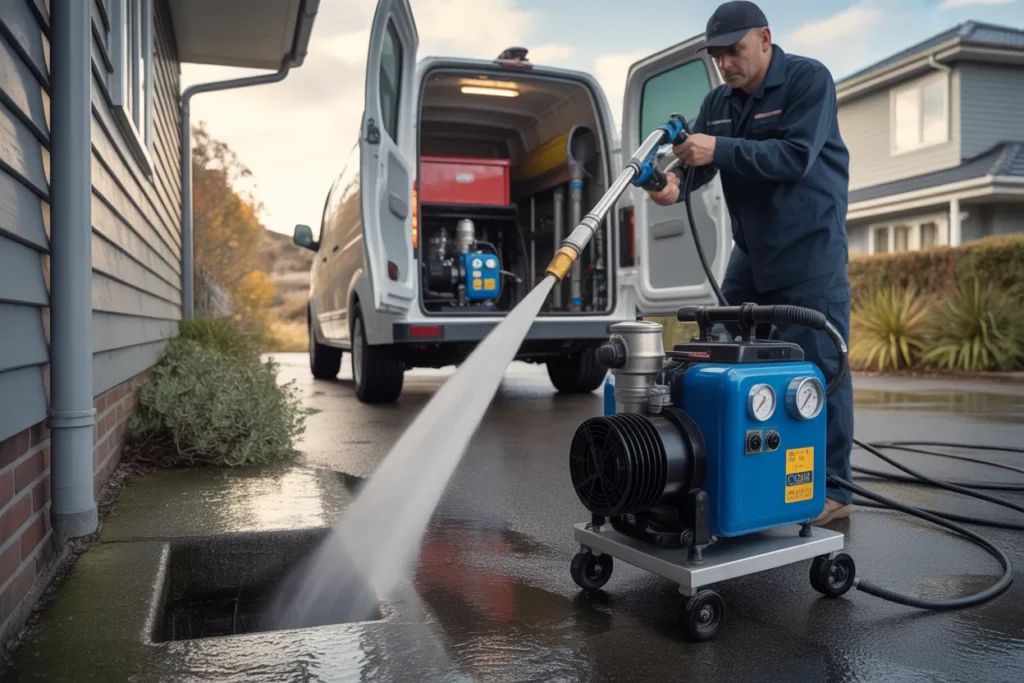
Our hydro-jetting equipment clears blockages using high-pressure water streams removing grease, roots, mineral deposits, and debris without damaging pipes. Unlike mechanical augers that simply punch holes through blockages, hydro-jetting thoroughly cleans pipe interiors, providing longer-lasting results whilst reducing blockage recurrence.
Comprehensive Drainage Solutions
Beyond clearing immediate blockages, Duke's Plumbing addresses underlying causes preventing recurring problems. We identify root intrusion sources, recommend pipe repairs or replacements when structural issues exist, and suggest preventative maintenance reducing future blockage risks.
Our certifying drainlayer credentials enable comprehensive drainage work including excavation, pipe replacement, new drainage installation, and compliance certification ensuring all work meets New Zealand building standards. This capability means complex drainage problems receive complete solutions rather than temporary fixes requiring subsequent specialist involvement.
Emergency Response Availability
Drainage emergencies—sewage backups, complete blockages, or flooding—require immediate attention preventing property damage and health hazards. Duke's Plumbing provides emergency response throughout Kapiti Coast, with experienced plumbers available addressing urgent drainage problems promptly.
Our emergency service includes immediate assessment, temporary mitigation preventing damage escalation, and permanent repairs completed as rapidly as circumstances permit. We understand drainage emergencies create stressful situations requiring both technical expertise and clear communication helping homeowners navigate challenging circumstances.
Take Action Before Minor Blockages Become Major Emergencies
Don't wait for complete drain blockages creating sewage backups, property damage, and expensive emergency repairs. Early intervention when warning signs first appear prevents escalation whilst often allowing simpler, more economical solutions than those required for advanced blockages.
Whether experiencing slow drainage, unusual sounds, persistent odours, or complete blockages, professional drainage assessment identifies problems accurately whilst implementing appropriate solutions. Duke's Plumbing's expertise with Kapiti Coast drainage challenges ensures effective repairs addressing local conditions rather than generic approaches potentially unsuitable for coastal properties.
Regular drainage maintenance including periodic inspections, professional cleaning, and root treatment where appropriate prevents majority of drainage emergencies. Establishing relationships with trusted local plumbers before emergencies occur provides peace of mind whilst ensuring rapid response when problems develop.
Contact Duke's Plumbing today to schedule drainage inspection or address existing blockage problems. Our licensed plumbers and certifying drainlayers provide comprehensive drainage solutions throughout Kapiti Coast, from simple blockage clearing to complex drainage system repairs.
Call Luke at Duke's Plumbing on 022 543 8789 or email admin@dukesplumbingltd.co.nz to arrange drainage service. Don't let minor drainage problems escalate into major emergencies—professional assessment and appropriate intervention protect both your property and your household budget.
Frequently Asked Questions
Can I use chemical drain cleaners for blocked drains in my Kapiti Coast home?
Chemical drain cleaners rarely provide effective long-term solutions whilst creating significant risks for both pipes and personal safety. These products contain extremely caustic substances that generate dangerous heat attempting to dissolve blockages, but typically create only partial passages that quickly re-clog rather than thoroughly clearing obstructions. More seriously, the heat and chemical reactions damage pipes—particularly older systems common throughout Kapiti—through melting plastic components, weakening metal pipes via corrosion, and deteriorating pipe joints. When chemical cleaners fail to clear blockages completely, they leave hazardous caustic substances sitting in pipes creating dangerous conditions for anyone subsequently working on drainage systems. These chemicals also present immediate safety hazards through skin burns, eye damage, and respiratory irritation from fumes, with splashing during application or plunging after use creating serious injury risks. Environmental concerns arise from toxic substances entering septic systems or municipal wastewater treatment facilities. For Kapiti Coast properties, professional drain clearing using hydro-jetting or mechanical methods proves far more effective whilst avoiding damage risks and safety hazards associated with chemical cleaners. Duke's Plumbing provides safe, effective blockage clearing without harsh chemicals that compromise pipe integrity.
How do I know if my blocked drain needs professional attention or if I can fix it myself?
Several factors determine whether blocked drains require professional intervention or suit DIY approaches. Simple surface clogs in individual fixtures—hair caught in shower drain covers, visible debris in sink strainers—often clear with basic plunging or manual removal without professional help. However, professional assistance becomes essential when blockages affect multiple fixtures simultaneously, indicating main sewer line problems beyond individual drain issues. Recurring blockages in specific locations despite clearing attempts signal underlying structural problems including tree root intrusion, collapsed pipes, or severe deterioration requiring professional diagnosis and repair rather than repeated temporary clearing. Sewage backing up into homes, toilets overflowing uncontrollably, or drains completely blocked preventing any drainage all constitute emergencies requiring immediate professional response preventing health hazards and property damage. Additionally, blockages persisting after reasonable DIY attempts including plunging and appropriate tool use indicate problems beyond homeowner capability. For Kapiti Coast properties, professional assessment proves particularly valuable given local factors including aggressive tree root systems, hard water mineral buildup, and salt air corrosion affecting pipes—conditions creating complex blockages requiring specialised equipment and local expertise. Duke's Plumbing provides honest assessment distinguishing between situations requiring professional intervention and minor issues homeowners can safely address, ensuring appropriate responses without unnecessary service charges.
Why do my Kapiti Coast drains block more frequently than drains in my previous home?
Kapiti Coast properties experience drainage challenges specific to coastal environments that inland or urban properties rarely encounter. Hard water containing elevated mineral concentrations throughout the region causes substantial mineral deposits accumulating inside pipes over time, progressively reducing effective diameter whilst creating rough interior surfaces catching debris and accelerating blockage formation. This mineral buildup particularly affects hot water pipes where elevated temperatures accelerate precipitation, with bathroom drains experiencing stubborn blockages from minerals reacting with soap forming insoluble compounds. Salt air characteristic of coastal locations accelerates metal pipe corrosion, particularly affecting older galvanised steel and cast iron drainage systems common in properties built before 1980, with corrosion creating rough interior surfaces, structural weakness, and pipe fragments contributing to blockages. Coastal vegetation including popular species like pohutukawa, macrocarpa, and willow feature particularly aggressive root systems seeking moisture, with roots infiltrating underground drainage pipes through tiny cracks more readily than species common in inland regions. Longer pipe runs between fixtures and main drainage lines in many Kapiti properties compared to compact urban housing provide extended distances for grease accumulation, mineral deposit formation, and debris collection before reaching main sewers. Understanding these local factors explains increased blockage frequency whilst highlighting the value of professional drainage services familiar with Kapiti-specific challenges. Duke's Plumbing's experience with coastal property drainage ensures appropriate solutions addressing regional conditions rather than generic approaches potentially unsuitable for Kapiti homes.
Source Links
- Consumer NZ Drainage Maintenance - https://www.consumer.org.nz/articles/plumbing-and-drainage
- Building Performance Drainage Standards - https://www.building.govt.nz/
- WorkSafe NZ Drainlaying - https://www.worksafe.govt.nz/topic-and-industry/plumbing-gasfitting-and-drainlaying/
- Plumbers, Gasfitters, and Drainlayers Board - https://www.pgdb.co.nz/
- Standards New Zealand Drainage - https://www.standards.govt.nz/
- BRANZ Drainage Research - https://www.branz.co.nz/
- Master Plumbers New Zealand - https://www.masterplumbers.org.nz/
- Master Drainlayers New Zealand - https://www.masterdrainlayers.co.nz/
- Kapiti Coast District Council - https://www.kapiticoast.govt.nz/
- Water New Zealand - https://www.waternz.org.nz/
Duke's Plumbing Ltd provides professional blocked drain clearing and drainlaying services throughout Kapiti Coast and Horowhenua. Our licensed drainlayers deliver expert diagnosis, safe clearing methods, and permanent drainage solutions using professional equipment and local expertise. Quality Plumbing, Friendly Service since 2016.