
Introduction
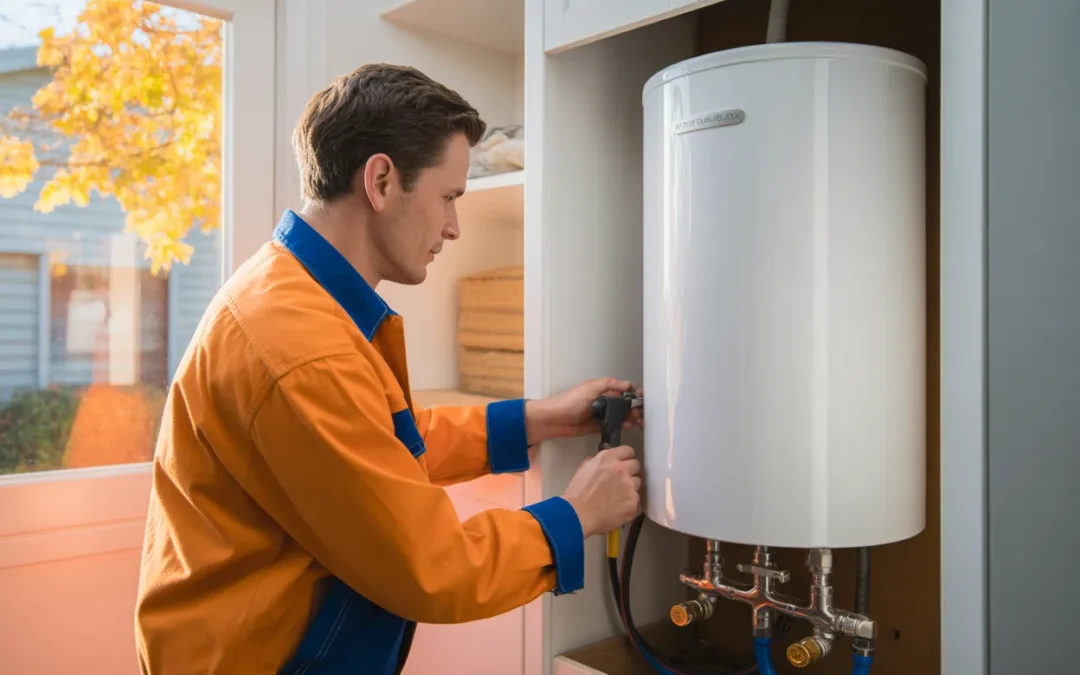
Autumn on the Kapiti Coast presents the perfect opportunity for smart homeowners to address hot water cylinder upgrades before winter's demanding conditions arrive. Whilst many property owners delay cylinder improvements until systems fail completely, experienced plumbers recognise that autumn's mild weather, reasonable scheduling availability, and pre-winter timing create ideal conditions for planned upgrades that deliver immediate benefits and long-term value.
Hot water cylinder upgrades extend far beyond simple replacement of failing units. Modern systems offer substantial improvements in water pressure, energy efficiency, capacity, and convenience compared to cylinders installed even 10-15 years ago. From low pressure to mains pressure conversions that transform shower performance, to heat pump systems reducing energy consumption by 60-75%, to outdoor installations freeing valuable interior space—today's upgrade options address diverse household needs whilst delivering measurable returns on investment.
This comprehensive guide explores hot water cylinder upgrade options specifically relevant to Kapiti Coast properties, timing considerations that make autumn the optimal upgrade window, investment costs and value returns, and how professional installation ensures reliable performance throughout the coming winter and beyond. Whether your current cylinder functions adequately but underperforms, or you're planning broader home improvements requiring enhanced hot water capacity, understanding available upgrade pathways empowers informed decisions that serve your household's genuine requirements.
Key Takeaways
- Autumn provides optimal timing for cylinder upgrades with mild weather, scheduling availability, and pre-winter completion
- Low pressure to mains pressure upgrades deliver 3-6 times stronger water flow, transforming shower and tap performance
- Capacity upgrades prevent morning hot water shortages in growing households or properties with increased bathroom facilities
- Heat pump systems reduce water heating energy costs by 60-75% compared to standard electric cylinders
- Outdoor cylinder installations free 2-4 square metres of valuable interior storage space
- Modern cylinders offer improved insulation reducing standby heat loss by 30-50% compared to pre-2010 units
- Smart cylinder technology learns household usage patterns, heating water only when needed for additional efficiency
- Professional autumn installation ensures systems operate reliably when winter demand peaks
- Upgrade costs vary from $2,500-$6,500 depending on scope, with energy savings recovering investment over 3-8 years
- Kapiti Coast's salt air and hard water require quality installations maximising upgrade value and longevity
- Planned autumn upgrades avoid winter emergency replacement at premium pricing during least convenient timing
- Duke's Plumbing provides comprehensive upgrade assessment, quality installation, and local expertise for Kapiti properties
Why Autumn Represents the Optimal Upgrade Window
Timing cylinder upgrades strategically delivers advantages extending beyond simple scheduling convenience. Autumn's unique combination of weather conditions, demand patterns, and seasonal positioning creates compelling reasons for acting now rather than delaying until winter or waiting for spring.
Weather Advantages for Installation Work
Autumn's mild, stable weather provides ideal conditions for cylinder installation work. Outdoor installations proceed efficiently without winter's wind and rain complications. Indoor work benefits from comfortable temperatures for both installers and household occupants. Cylinder relocations or pipe modifications complete more easily when weather permits unhurried, careful workmanship rather than rushed installations during adverse conditions.
For Kapiti Coast properties, autumn represents the sweet spot between summer's heat and winter's harsh conditions. Salt air remains present year-round, but autumn's moderate humidity and temperatures create optimal working conditions for installations requiring outdoor components or external pipe runs.
Scheduling and Pricing Benefits
Autumn represents plumbers' transitional season between summer renovation work and winter emergency responses. This creates scheduling availability allowing convenient appointment timing that accommodates household schedules rather than forcing disruption during inconvenient periods. Multiple quote comparisons proceed without time pressure, enabling thorough evaluation of options and pricing.
Additionally, planned autumn upgrades avoid winter's emergency premiums, weekend surcharges, and demand-driven price increases. Cylinder purchases during non-peak periods allow selection based on quality and suitability rather than accepting whatever emergency suppliers provide. Total savings from planned versus emergency installation often reach $500-$1,000—substantial amounts funding upgrade enhancements or household improvements.
Pre-Winter System Optimisation
Completing upgrades before winter ensures enhanced systems operate reliably when demand peaks. New cylinders demonstrate optimal performance from day one rather than entering winter with aging systems approaching failure. Improved capacity meets increased winter hot water consumption. Enhanced insulation reduces heat loss when temperature differentials between stored water and ambient air maximise energy waste.
For households planning winter visitors or extended family gatherings, autumn upgrades ensure adequate hot water capacity before these peak demand periods arrive. Testing new systems under moderate autumn conditions identifies any adjustment requirements before winter's sustained loads stress installations.
Future-Proofing Property Value
Autumn upgrades position properties advantageously for potential spring real estate activity. Modern, efficient hot water systems represent attractive features for prospective buyers, whilst documented recent upgrades demonstrate responsible property maintenance. For homeowners not planning immediate sales, upgrades completed now deliver years of improved performance whilst systems remain under warranty during typical ownership periods.
Understanding Hot Water Cylinder Upgrade Types
Modern cylinder technology offers diverse upgrade pathways addressing different household requirements and priorities. Understanding available options enables selection matching specific needs rather than defaulting to basic replacements replicating existing systems.

Low Pressure to Mains Pressure Conversion
This popular upgrade transforms water delivery throughout properties, converting gentle low-pressure flow to vigorous mains pressure performance. Low pressure cylinders common in pre-2000 homes deliver approximately 75 kilopascals pressure—adequate for basic needs but underwhelming for modern expectations. Mains pressure systems provide 400-500 kilopascals, creating 3-6 times stronger flow that dramatically improves shower experiences and reduces tap filling times.
Beyond performance improvements, mains pressure conversions enable installation of modern tapware and shower systems designed for high-pressure operation. Low pressure fixtures become increasingly difficult to source as manufacturers focus on mains pressure specifications. Properties undergoing bathroom or kitchen renovations often require pressure upgrades ensuring new fixtures operate as designed.
For Kapiti Coast homes, this upgrade proves particularly valuable in older properties where original low pressure systems now seem inadequate compared to modern standards. The performance transformation often exceeds homeowners' expectations, with shower experiences improving dramatically whilst daily tasks like filling baths or washing dishes proceed substantially faster.
Capacity Upgrades for Growing Households
Households outgrowing existing cylinder capacity face morning hot water shortages, sequential shower conflicts, and insufficient supply for simultaneous appliance operation. Capacity upgrades solve these frustrations by installing larger cylinders matching current household requirements rather than historical needs.
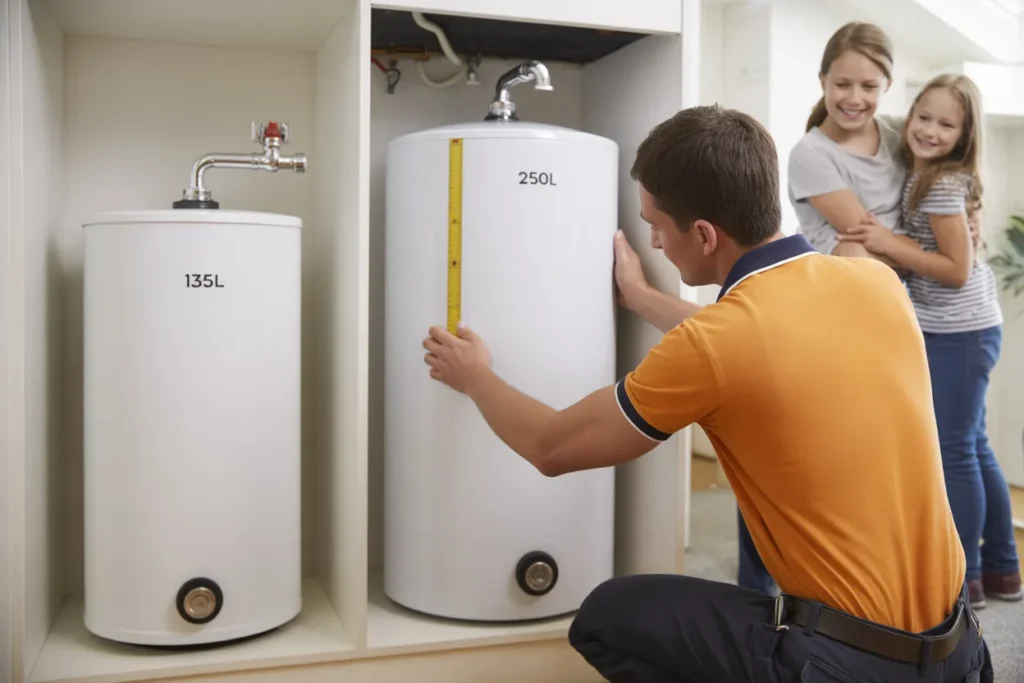
Standard capacity recommendations suggest 50 litres per person daily, meaning four-person households benefit from 180-250 litre cylinders depending on usage patterns. Properties with teenagers, large bathtubs, or multiple bathrooms often require capacity exceeding basic calculations. Conversely, households downsizing or children leaving home might benefit from smaller cylinders reducing energy waste from heating unused capacity.
Professional assessment considers actual usage patterns, peak demand timing, simultaneous usage requirements, and future household changes to recommend optimal capacity. This personalised approach ensures upgrades deliver genuine improvements rather than perpetuating existing inadequacies or creating wasteful overcapacity.
Heat Pump System Integration
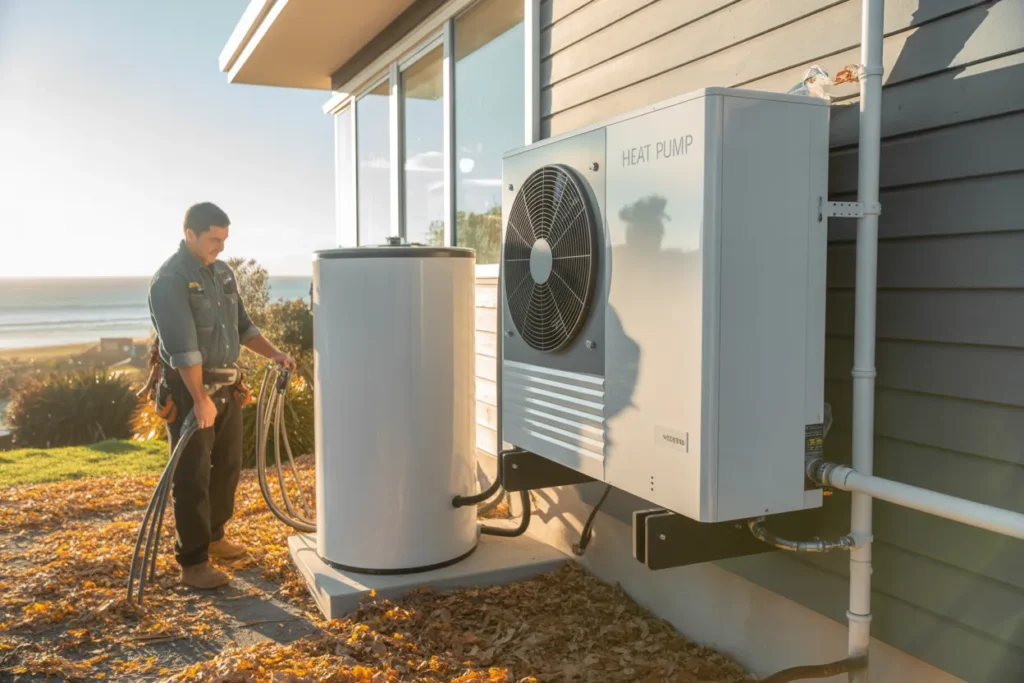
Heat pump hot water systems represent the most substantial efficiency upgrade available, reducing water heating energy consumption by 60-75% compared to standard electric resistance elements. These systems extract ambient heat from surrounding air and transfer it to stored water, achieving 300-400% efficiency compared to conventional 100% efficiency from resistance heating.
Initial investment for heat pump systems typically runs $4,500-$6,500 installed—substantially more than standard electric cylinders at $2,500-$3,500. However, reduced operating costs recover this premium over 4-7 years whilst delivering ongoing savings throughout the system's 12-15 year lifespan. For households with high hot water consumption or expensive electricity rates, heat pump payback periods shorten considerably.
Kapiti Coast's moderate coastal climate proves ideal for heat pump operation, with systems maintaining high efficiency even during winter months when inland regions experience performance degradation. Professional assessment determines whether property layouts accommodate heat pump compressor units and whether electrical supply supports system requirements.
Outdoor Installation Upgrades
Moving cylinders from interior cupboards to outdoor installations frees 2-4 square metres of valuable storage space—substantial areas in typical homes. This upgrade particularly appeals to properties undergoing kitchen or laundry renovations where reclaimed cylinder cupboard space enables larger pantries, additional storage, or improved room layouts.
Modern outdoor cylinders feature enhanced insulation and weather-resistant casings designed for New Zealand conditions. Whilst outdoor installations experience marginally higher heat loss than interior locations, improved insulation in contemporary units largely mitigates this disadvantage. For coastal properties, outdoor installations require appropriate corrosion protection given salt air exposure, making quality cylinder selection and professional installation particularly important.
Smart Cylinder Technology
Smart thermostats represent emerging upgrade technology learning household hot water usage patterns and heating water proactively rather than maintaining constant storage temperatures. These systems reduce energy consumption by 8-15% beyond standard cylinder efficiency through intelligent heating schedules matching actual household requirements.
Smart cylinders offer manual override capabilities for unusual usage days whilst automatic "away" modes reduce energy waste during holidays or absences. LCD control panels provide usage feedback helping households optimise consumption patterns. This technology suits environmentally conscious homeowners seeking maximum efficiency without compromising convenience.
Investment Costs and Value Returns
Understanding cylinder upgrade costs and long-term value returns enables informed decision-making balancing initial investment against ongoing benefits and eventual savings.
Typical Upgrade Investment Ranges
Standard electric cylinder replacement costs $2,500-$3,500 installed for like-for-like replacement of similar capacity and type. Low pressure to mains pressure upgrades typically cost $3,200-$4,200 including new cylinder, upgraded valving, and installation modifications. Capacity increases add $300-$800 depending on size differential and any pipe work modifications required.
Heat pump system installations represent premium investments at $4,500-$6,500 installed, with costs varying based on cylinder capacity, heat pump specifications, and installation complexity. Outdoor cylinder installations range $2,800-$4,500 depending on cylinder type, pipe run requirements, and external mounting provisions.
These figures represent Kapiti Coast averages for quality installations by licensed professionals. Emergency replacements during winter weekends can cost 30-50% more due to callout fees, premium labour rates, and limited negotiation opportunities during crisis situations.
Energy Efficiency Returns
Efficiency improvements deliver measurable ongoing savings recovering upgrade costs over time. Upgrading from pre-2010 poorly insulated cylinders to modern well-insulated units reduces standby heat loss by 30-50%, saving $120-$250 annually depending on household consumption and electricity costs. These savings continue throughout the cylinder's 12-15 year service life, totalling $1,500-$3,750 in recovered energy costs.
Heat pump systems deliver more dramatic savings, reducing water heating energy consumption from approximately 10-12 kilowatt-hours daily to 3-4 kilowatt-hours for typical households. At 25 cents per kilowatt-hour, this represents daily savings of $1.75-$2.00 or $640-$730 annually. Over a 12-year system lifespan, cumulative savings reach $7,700-$8,800—substantially exceeding initial premium investment.
Performance and Convenience Value
Beyond measurable energy savings, upgrades deliver convenience and performance improvements difficult to quantify financially but highly valued by households. Mains pressure conversions transform daily shower experiences from disappointing to luxurious. Capacity upgrades eliminate morning conflicts and cold shower surprises. These quality-of-life improvements justify upgrade investments even when pure financial returns require extended periods.
For properties undergoing broader renovations, cylinder upgrades integrate seamlessly with overall improvement projects, adding minimal incremental disruption whilst ensuring hot water systems match renovated spaces' modern standards. This coordination proves more efficient than addressing cylinder limitations separately after renovation completion.
Property Value Enhancement
Modern, efficient hot water systems represent attractive features for prospective buyers, particularly when systems include recent professional installation documentation. Whilst specific value increases prove difficult to quantify, properties with updated utilities typically sell faster and command premium pricing compared to those requiring immediate system replacements.
For homeowners planning 5+ years continued ownership, upgrade benefits through improved performance and reduced operating costs easily justify investment regardless of eventual property sale considerations. Immediate household enjoyment combined with ongoing savings delivers value throughout ownership period.
Selecting the Right Upgrade for Your Kapiti Property
Choosing optimal upgrade pathways requires assessing household requirements, property characteristics, budget constraints, and long-term objectives rather than defaulting to basic replacement approaches.
Household Requirement Assessment
Begin by evaluating current system performance against household needs. Running out of hot water during morning routines suggests capacity inadequacy. Disappointing shower pressure indicates low pressure system limitations. Unexpectedly high electricity bills might signal efficiency problems warranting heat pump consideration. Cold showers despite adequate capacity could indicate element failure or thermostat issues requiring professional diagnosis.
Consider household composition changes affecting requirements. Teenagers consume substantially more hot water than younger children. Working-from-home arrangements increase daytime consumption. Additional bathrooms from renovations demand capacity increases. Conversely, children leaving home might enable downsizing, reducing energy waste from heating unnecessary capacity.
Property Characteristic Considerations
Property layouts influence upgrade feasibility and optimal approaches. Outdoor cylinder installations require suitable external locations with appropriate weather protection and reasonable pipe run distances. Heat pump systems need space for compressor units with adequate airflow and noise consideration for neighbours. Internal cylinder relocations depend on available cupboard space, floor load capacity, and drainage provisions.
For Kapiti Coast properties, salt air exposure necessitates quality corrosion-resistant installations regardless of upgrade type selected. Hard water prevalent throughout the region accelerates mineral buildup, making regular maintenance scheduling important for maximising upgrade investment longevity.
Budget and Financing Alignment
Upgrade budgets should account for total installed costs including materials, professional labour, necessary modifications, and compliance certification. Obtain multiple quotes from licensed plumbers, comparing scope specifications alongside pricing to ensure equivalent comparisons.
For households facing budget constraints, prioritising upgrades delivering greatest immediate impact proves sensible. Mains pressure conversion transforms daily experiences dramatically. Capacity increases eliminate frustrating shortages. These improvements deliver immediate satisfaction justifying investment even when premium efficiency options remain temporarily unaffordable.
Consider financing options spreading costs over manageable periods. Some suppliers offer payment plans, whilst personal loan rates for home improvements often prove reasonable for creditworthy borrowers. Avoid delaying essential upgrades until emergency failures force expensive rushed replacements at least convenient timing.
Environmental and Efficiency Priorities
Environmentally conscious households might prioritise heat pump systems despite premium costs, valuing reduced energy consumption and lower carbon footprints alongside financial savings. Solar-ready cylinders enable future integration with photovoltaic systems, future-proofing installations for potential renewable energy adoption.
Smart cylinder technology appeals to households interested in technology-enabled efficiency optimisation. These systems suit people appreciating usage data and enjoying optimising consumption patterns through available feedback and controls.
Why Professional Installation Matters for Kapiti Coast Properties
Whilst cylinder upgrades might appear straightforward, professional installation ensures reliability, safety, efficiency, and compliance whilst protecting significant household investments.
Technical Expertise and Code Compliance
Licensed plumbers understand New Zealand Building Code requirements, plumbing standards, and local authority expectations ensuring installations meet all compliance obligations. This includes appropriate valve specifications, safety device installation, pressure management, tempering valve requirements, earthquake restraints, and drainage provisions. DIY installations or unlicensed work often overlook these requirements, creating safety hazards, insurance complications, and expensive remediation needs.
Professional plumbers assess whether electrical supply supports upgraded cylinders, whether floor structures tolerate increased weights from capacity upgrades, and whether pipe systems accommodate mains pressure conversions. These assessments prevent problems arising after installation when remediation proves expensive and disruptive.
Quality Materials and Workmanship
Professional installations utilise quality cylinders from reputable manufacturers with appropriate warranties and service support. Licensed plumbers source components meeting New Zealand standards, avoiding substandard imports lacking compliance certification or service backup. Quality materials prove particularly important for Kapiti Coast installations given challenging coastal environment accelerating deterioration of inferior products.
Workmanship quality affects long-term performance and reliability. Professional plumbers execute proper pipe connections, appropriate valve installations, correct thermostat positioning, and adequate insulation application ensuring systems operate as designed. These details distinguish installations delivering years of trouble-free service from those requiring repeated service calls addressing installation deficiencies.
Coastal Environment Expertise
Kapiti Coast's salt air, hard water, and wind exposure create specific installation challenges requiring local expertise. Professional plumbers familiar with coastal conditions select appropriate materials, implement enhanced corrosion protection, and position installations minimising environmental exposure. This local knowledge proves invaluable for ensuring upgrades deliver expected longevity despite challenging conditions.
External installations particularly benefit from coastal expertise. Appropriate corrosion-resistant fittings, enhanced pipe protection, and strategic positioning sheltering components from prevailing winds extend system lifespan substantially compared to installations neglecting these coastal-specific considerations.
Warranty Protection and Support
Manufacturer warranties typically require professional installation by licensed plumbers, with coverage voided for DIY or unlicensed work. Professional installation documentation proves essential for warranty claims, providing evidence of proper installation when component failures occur. Additionally, reputable plumbing companies stand behind their work, addressing installation-related issues promptly without warranty disputes common with budget operators or unlicensed contractors.
For substantial investments like heat pump systems or premium cylinder upgrades, warranty protection proves particularly valuable. Professional installation ensures full manufacturer support whilst plumber workmanship guarantees protect against installation deficiencies.
Why Choose Duke's Plumbing for Your Autumn Cylinder Upgrade
Duke's Plumbing delivers comprehensive hot water cylinder upgrade services specifically designed for Kapiti Coast properties, combining licensed expertise with commitment to quality installations that serve households reliably for years.
Local Expertise and Experience
Operating throughout Kapiti Coast since 2016, Duke's Plumbing understands regional characteristics affecting cylinder performance and longevity. We recognise salt air corrosion patterns, hard water impacts, wind exposure considerations, and typical challenges in diverse Kapiti housing types from heritage Otaki properties to modern Paraparaumu developments.
This local knowledge ensures upgrade recommendations account for coastal-specific factors whilst installations incorporate appropriate protections maximising investment value and system longevity. Our familiarity with Kapiti properties enables accurate assessment of upgrade feasibility, realistic timeline estimates, and practical solutions addressing site-specific constraints.
Comprehensive Upgrade Assessment
Duke's Plumbing provides thorough cylinder assessment identifying current system condition, household requirements, property characteristics, and optimal upgrade pathways. This comprehensive evaluation considers your specific usage patterns, budget parameters, efficiency priorities, and future household changes to recommend upgrades delivering genuine value rather than unnecessary premium features or inadequate basic replacements.
We explain available options clearly, outlining benefits, costs, and implementation requirements for each upgrade type. This transparent approach empowers informed decision-making whilst ensuring you understand exactly what investments deliver relative to your household's genuine priorities.
Quality Products and Professional Installation
Duke's Plumbing supplies quality cylinders from reputable manufacturers including Rheem, Rinnai, and other proven brands offering appropriate warranties and New Zealand service support. We install systems to professional standards ensuring optimal performance, longevity, and compliance with all regulatory requirements.
Our installations incorporate coastal-appropriate materials, enhanced corrosion protection where needed, and careful workmanship ensuring reliable long-term performance. We handle all aspects from initial assessment through installation completion, testing, and certification, providing single-point accountability for entire upgrade projects.
Transparent Pricing and Communication
We provide detailed written quotations specifying all work, materials, and costs before commencing projects. No hidden charges, unexpected fees, or scope creep complicates planned cylinder upgrades. Our transparent approach ensures you understand exactly what you're receiving whilst budgeting accurately for necessary work.
Throughout installation processes, we maintain clear communication about progress, any unexpected issues discovered, and completion timelines. We respect your property, maintain clean work areas, and ensure you understand system operation before project completion.
Autumn Scheduling Availability
Duke's Plumbing currently maintains good autumn scheduling availability, enabling convenient appointment timing that accommodates your household schedule. We complete installations efficiently whilst maintaining quality standards, typically finishing standard upgrades within single days and more complex installations over 2-3 days depending on scope.
Contact us now whilst autumn availability remains good, avoiding winter scheduling delays when emergency responses consume capacity and planned upgrades face extended wait times.
Take Action This Autumn for Reliable Winter Performance
Don't delay cylinder upgrades until emergency failures force expensive rushed replacements during winter's least convenient timing. Autumn's optimal conditions combined with current scheduling availability create perfect circumstances for planned improvements delivering immediate benefits and long-term value.
Whether upgrading from disappointing low pressure performance to vigorous mains pressure flow, increasing capacity eliminating morning conflicts, adopting heat pump efficiency reducing energy costs by hundreds annually, or reclaiming interior space through outdoor installation—modern cylinder technology offers substantial improvements over systems installed even 10-15 years ago.
Professional autumn installation ensures upgraded systems operate reliably when winter demand peaks, avoiding disruption during cold months when hot water becomes essential rather than merely convenient. Planned upgrades at standard pricing deliver better value than emergency winter replacements at premium rates whilst rushed decisions compromise optimal system selection.
Contact Duke's Plumbing today to schedule comprehensive cylinder assessment and upgrade consultation. Our licensed plumbers will evaluate your specific requirements, explain available options clearly, and provide transparent quotations enabling informed decisions serving your household's genuine interests.
Call Luke at Duke's Plumbing on 022 543 8789 or email admin@dukesplumbingltd.co.nz to arrange your autumn cylinder upgrade assessment. Act now whilst optimal timing and scheduling availability combine, positioning your Kapiti Coast property for enhanced performance, improved efficiency, and reliable winter comfort.
Frequently Asked Questions
How long does hot water cylinder upgrade installation typically take?
Standard cylinder upgrades typically complete within one working day for straightforward installations replacing existing systems with similar capacity and type. More complex upgrades involving pressure conversions, capacity changes, or relocations might require 1-2 days depending on scope and any unexpected complications discovered during work. Heat pump system installations generally need 1-2 days accounting for both cylinder installation and heat pump unit positioning, connection, and commissioning. Duke's Plumbing provides realistic timeline estimates during quotation, explaining factors affecting installation duration for your specific property and upgrade type. We work efficiently whilst maintaining quality standards, minimising household disruption through careful planning and professional execution. For most Kapiti Coast homeowners, upgrade installations prove less disruptive than anticipated, with hot water service restored same day and complete system commissioning following shortly thereafter. Planning installations during weekdays when households have fewer occupants often proves convenient, though we accommodate weekend scheduling when necessary for household convenience.
Can I upgrade from low pressure to mains pressure without replacing tapware?
Most modern tapware operates effectively on both low pressure and mains pressure systems, meaning pressure upgrades often proceed without requiring immediate tapware replacement. However, very old low pressure-specific fixtures might experience issues under mains pressure including excessive flow, control difficulties, or premature wear. Professional plumbers assess existing tapware during upgrade planning, identifying any fixtures requiring replacement or adjustment to accommodate mains pressure operation. In many cases, homeowners choose retaining existing tapware initially, replacing fixtures gradually as part of future bathroom or kitchen renovations rather than incurring immediate additional costs. This staged approach spreads investment over time whilst delivering immediate pressure improvement benefits. For Kapiti Coast properties with original fixtures from 1980s-1990s construction, some tapware upgrades might prove necessary or advisable, though many 2000s-era fixtures accommodate pressure conversions without modification. Duke's Plumbing provides honest assessment of tapware compatibility, distinguishing between essential replacements and optional upgrades homeowners might consider for aesthetic or performance reasons beyond strict compatibility requirements.
Will upgrading to a heat pump system work effectively during Kapiti winters?
Heat pump hot water systems operate effectively throughout Kapiti Coast's mild winter climate, maintaining high efficiency even during colder months. Modern heat pump technology functions efficiently at temperatures well below Kapiti's typical winter minimums, with performance remaining strong except during rare extreme cold snaps. The coastal climate's moderate temperatures year-round actually create ideal heat pump operating conditions compared to inland regions experiencing harsher winters affecting performance. Heat pump efficiency does decline slightly during very cold weather, but systems compensate through longer operating times rather than failing to heat water adequately. Most quality heat pump systems include backup electric element heating for extreme conditions, ensuring reliable hot water supply regardless of weather. For Kapiti properties, heat pump performance typically exceeds manufacturer specifications given favourable coastal temperatures. Professional assessment considers your property's specific exposure, heat pump placement options, and household hot water demands to ensure system sizing provides adequate capacity throughout winter months. Duke's Plumbing recommends heat pump systems confidently for Kapiti Coast properties, having installed numerous units performing excellently through multiple winter seasons whilst delivering substantial energy savings year-round.
What size hot water cylinder does my Kapiti household need after upgrading?
Cylinder sizing depends on household occupancy, hot water usage patterns, simultaneous usage requirements, and specific lifestyle factors affecting consumption. Basic guidance suggests 50 litres capacity per person daily, meaning four-person households typically require 180-250 litre cylinders depending on usage intensity. However, Kapiti Coast properties often benefit from capacity adjustments accounting for local factors: coastal lifestyle encouraging frequent showers requires additional capacity; large bathtubs substantially increase peak demand; multiple bathrooms create simultaneous usage requiring enhanced capacity; teenage children consume more hot water than younger family members; working-from-home arrangements increase daytime consumption beyond traditional patterns. Professional assessment considers your specific household composition, actual current usage, peak demand timing, future household changes, and appliance inventory to recommend optimal capacity. Undersized cylinders create frustrating morning shortages and sequential shower conflicts, whilst oversized units waste energy heating and maintaining unnecessary capacity serving no household benefit. Duke's Plumbing evaluates your genuine requirements, recommending appropriate sizing that balances efficiency with reliable hot water availability for your Kapiti Coast household's specific needs throughout all seasons and usage patterns.
Should I wait until my current cylinder fails before upgrading?
Waiting for complete cylinder failure creates multiple disadvantages compared to planned autumn upgrades completed proactively. Emergency replacements proceed under time pressure without opportunity for careful system selection, optimal upgrade type consideration, or competitive pricing comparison. Winter failures occur at inconvenient times—typically during peak demand periods when hot water becomes most essential for household comfort. Emergency services command premium pricing with weekend and after-hours surcharges adding 50-100% to standard costs, whilst winter demand creates scheduling delays leaving households without hot water for extended periods. Additionally, aging cylinders waste substantial energy through declining efficiency months or years before complete failure—ongoing costs continuing until replacement occurs. Water damage from leaking cylinders often affects surrounding areas before failure detection, creating repair costs exceeding cylinder replacement expenses and potentially raising insurance excess payments or coverage complications. Planned autumn upgrades enable system selection matching household requirements precisely, scheduling work at household convenience, securing competitive pricing through quote comparisons, and ensuring installation quality through unhurried professional workmanship. The investment in proactive replacement typically saves $800-$1,500 compared to winter emergency response whilst delivering immediate performance improvements, energy efficiency gains, and peace of mind knowing systems will operate reliably throughout winter's peak demand period.
Source Links
- Consumer NZ Hot Water Systems - https://www.consumer.org.nz/articles/hot-water
- Energy Efficiency and Conservation Authority - https://www.eeca.govt.nz/
- WorkSafe NZ Plumbing Standards - https://www.worksafe.govt.nz/topic-and-industry/plumbing-gasfitting-and-drainlaying/
- Standards New Zealand Plumbing - https://www.standards.govt.nz/
- Plumbers, Gasfitters, and Drainlayers Board - https://www.pgdb.co.nz/
- Building Performance Standards - https://www.building.govt.nz/
- BRANZ Hot Water Research - https://www.branz.co.nz/
- Gen Less Energy Efficiency - https://genless.govt.nz/
- Master Plumbers New Zealand - https://www.masterplumbers.org.nz/
- Kapiti Coast District Council - https://www.kapiticoast.govt.nz/
Duke's Plumbing Ltd provides professional hot water cylinder upgrade services throughout Kapiti Coast and Horowhenua. Our licensed plumbers deliver expert assessment, quality installation, and comprehensive upgrade solutions tailored to coastal property requirements. Quality Plumbing, Friendly Service since 2016.