
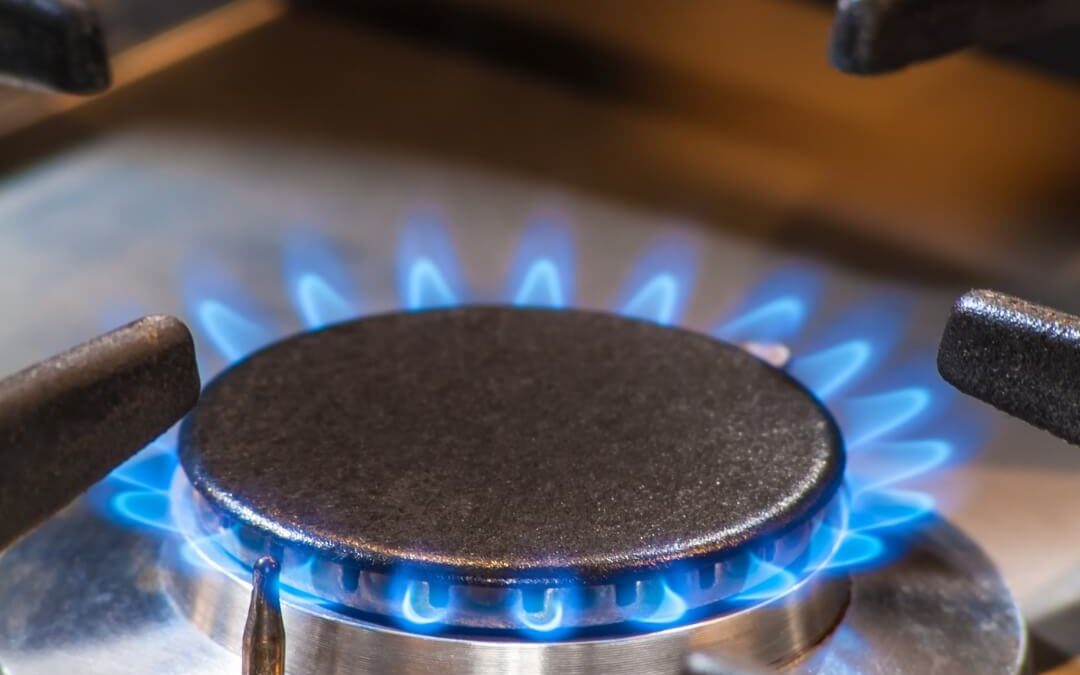
Introduction
Gas appliances power countless Wellington and Kapiti Coast homes, providing efficient heating, cooking, and hot water throughout the year. However, many homeowners remain uncertain about their legal obligations regarding gas safety certification – confusion that can lead to compliance issues, safety risks, and potential penalties.
Since legislative changes in 2013, New Zealand's gas safety requirements have become more stringent, with mandatory certification for virtually all gasfitting work. Understanding when you need a Gas Safety Certificate, what it covers, and who can legally issue one has become essential knowledge for responsible homeowners.
This comprehensive guide clarifies gas safety certificate requirements specifically for Wellington and Kapiti Coast residents, providing factual information about legal obligations, practical scenarios, and how to ensure your home's gas installations meet current New Zealand standards.
Key Takeaways
- All gasfitting work in New Zealand has required certification since 1 July 2013
- Gas Safety Certificates confirm installations are safe and meet legal standards
- Only licensed gasfitters registered under the Plumbers, Gasfitters, and Drainlayers Act 2006 can issue certificates
- Certificates are required for new installations, modifications, and reconnections
- Non-compliance can result in fines, insurance complications, and serious safety risks
- Wellington and Kapiti homeowners should verify their gasfitter's licence before any work begins
- Keeping certificate records protects property value and ensures legal compliance
What is a Gas Safety Certificate?
A Gas Safety Certificate (GSC) is an official document issued by a licensed gasfitter confirming that gas installation work has been completed safely and in accordance with New Zealand's regulatory standards. This certificate serves as legal proof that your gas system meets the requirements set out in the Gas (Safety and Measurement) Regulations 2010.
What the Certificate Confirms
The GSC verifies that the specific gasfitting work undertaken – whether installation, modification, or repair – complies with the relevant standards, primarily AS/NZS 5601.1:2022, which governs gas installations in New Zealand. The certificate confirms that the work has not negatively impacted other parts of your gas installation and that the system operates safely.
Legal Standing and Requirements
Under New Zealand law, licensed gasfitters must issue a GSC after completing any gasfitting work. This requirement applies whether the work involves a complete new installation, modifications to existing systems, or reconnection of appliances. The gasfitter must provide the certificate to the homeowner and retain records for a minimum period as specified by regulations.
Certificate Content
A properly issued GSC includes the gasfitter's registration details, description of work completed, confirmation that the installation complies with relevant standards, date of completion, and any specific conditions or recommendations. This documentation becomes part of your property records and may be required during property sales or insurance claims.
The certificate system exists to protect homeowners, occupants, and the broader community from gas-related hazards whilst ensuring professional standards across New Zealand's gasfitting industry.

When Do Wellington Homeowners Need Gas Safety Certificates?
Understanding when certification is required prevents compliance issues and ensures your home's gas systems remain legally compliant and safe. The following scenarios require Gas Safety Certificates or Certificates of Compliance in Wellington and Kapiti Coast homes.
New Gas Appliance Installation
Any new gas appliance installation requires certification, whether you're adding a gas cooktop, installing a gas hot water system, or setting up a gas heater. This applies to both natural gas and LPG systems. The licensed gasfitter completing the installation must issue the appropriate certificate confirming the work meets current standards.
Modifications to Existing Gas Systems
Modifications to your existing gas installation require certification, including extending gas lines to new locations, upgrading pipe work, installing additional gas outlets, or modifying ventilation systems. Even seemingly minor changes to gas systems require professional certification to ensure continued safe operation.
Appliance Reconnection After Removal
If a gas appliance has been disconnected and later reconnected – even if returned to its original location – certification is required. This includes situations where appliances were removed temporarily during renovations or relocated within the property. The reconnection work must be completed by a licensed gasfitter who issues the required certificate.
Property Purchase Considerations
While New Zealand does not mandate gas safety certificates at the time of property sale in the same way some overseas jurisdictions do, responsible buyers should request copies of certificates for all gas installations. These documents verify that work was completed to legal standards and provide important safety assurance.
Gas System Repairs
Repairs to gas systems typically require certification, particularly when work involves gas-carrying components, connections, or safety devices. Minor maintenance may not always require formal certification, but licensed gasfitters determine this based on the specific work undertaken.
For Wellington and Kapiti Coast homeowners, understanding these requirements ensures compliance whilst protecting household safety and property value.
Types of Gas Certificates in New Zealand
New Zealand's gas safety framework includes different certificate types serving specific purposes. Understanding these distinctions helps homeowners ensure they receive appropriate documentation for work completed on their properties.
Gas Safety Certificate (GSC)
The Gas Safety Certificate confirms that gasfitting work has been completed safely and meets applicable standards. GSCs are issued for most gasfitting work undertaken in residential properties, covering installations, modifications, and reconnections. This certificate verifies that the specific work undertaken has not compromised the safety of the overall gas installation.
Licensed gasfitters must issue GSCs immediately upon completing qualifying work, providing copies to homeowners whilst retaining records as required by regulations. These certificates become permanent records of work completed on the property.
Certificate of Compliance (CoC)
Certificates of Compliance represent a more comprehensive certification level required for specific categories of gasfitting work. Under the Building Act 2004, CoCs are issued for building work requiring building consent, which may include certain gas installations depending on scope and complexity.
For most standard residential gasfitting in Wellington and Kapiti homes, GSCs suffice. However, substantial installations or modifications may require CoCs, particularly when work forms part of larger building projects requiring consent. Your licensed gasfitter determines which certificate type applies to your specific project.
Supplier Declaration of Compliance (SDoC)
While not issued by gasfitters, Supplier Declarations of Compliance represent another important component of New Zealand's gas safety framework. Importers and manufacturers of gas appliances and fittings must provide SDoCs confirming their products meet safety requirements before sale in New Zealand.
Homeowners should verify that gas appliances purchased for installation display appropriate compliance labelling, confirming the appliances meet New Zealand safety standards. Licensed gasfitters verify appliance compliance before installation.
Inspection Certificates
In specific circumstances, inspection certificates may be issued for existing gas installations, particularly for mobile installations like caravans or boats, or when installations undergo safety verification without modification. These differ from GSCs in that they document existing installation condition rather than certifying new work.
Understanding which certificate type applies to your situation ensures you receive appropriate documentation whilst meeting legal obligations for your Wellington or Kapiti Coast property.
Who Can Legally Issue Gas Safety Certificates?
New Zealand law strictly regulates who may perform gasfitting work and issue Gas Safety Certificates, with criminal penalties for non-compliance. Understanding these requirements protects homeowners from engaging unqualified practitioners whilst ensuring work meets legal standards.
Licensed Gasfitter Requirements
Only gasfitters holding current licences issued under the Plumbers, Gasfitters, and Drainlayers Act 2006 may legally perform gasfitting work and issue certificates in New Zealand. The Plumbers, Gasfitters, and Drainlayers Board maintains the register of licensed practitioners, with licences classified into different categories based on scope of work permitted.
Licensed gasfitters must hold appropriate certification for the specific type of work undertaken, whether involving natural gas systems, LPG installations, or specific appliance types. Wellington and Kapiti Coast homeowners should verify their gasfitter's licence before work commences, requesting to see the current practising licence card displaying the gasfitter's registration number and licence class.
Certification Classes
Gasfitter licences include different classes permitting varying scopes of work. Craftsman gasfitters hold the most comprehensive licence class, permitting all gasfitting work including design, installation, and modification of gas systems. Limited certificate holders may perform specific types of work within defined parameters, whilst tradesman gasfitters can undertake most practical installation work under appropriate supervision.
For most Wellington residential work, craftsman or tradesman gasfitters provide appropriate qualifications. Homeowners should confirm their gasfitter holds appropriate certification for the specific work required on their property.
Verification Process
The Plumbers, Gasfitters, and Drainlayers Board maintains a public register allowing verification of practitioner licences. Homeowners can confirm their gasfitter's registration status, licence class, and currency through the Board's online search facility. This verification provides confidence that work will be completed to legal standards by qualified professionals.
Licensed gasfitters typically display their registration details on business materials, vehicles, and practising licence cards. Any reluctance to provide registration details should raise immediate concerns about practitioner legitimacy.
Unlicensed Work Consequences
Engaging unlicensed individuals to perform gasfitting work creates multiple risks beyond safety concerns. Insurance policies typically exclude claims arising from work performed by unlicensed practitioners, potentially leaving homeowners personally liable for damage or injury resulting from faulty installations. WorkSafe New Zealand actively prosecutes unlicensed gasfitting, with substantial fines imposed on both practitioners and property owners who engage them.
Duke's Plumbing maintains full licensing for all gasfitting work undertaken throughout the Kapiti Coast and Horowhenua regions, with licensed gasfitters who provide appropriate certification for all qualifying work.
The Gas Safety Certification Process
Understanding what occurs during gas safety certification helps Wellington and Kapiti homeowners appreciate the thoroughness of proper gasfitting work whilst recognising what they should expect from licensed practitioners.
Pre-Work Assessment
Licensed gasfitters begin by assessing the proposed work, examining existing installations, verifying appliance compliance with New Zealand standards, and determining certification requirements. This assessment includes checking that appliances display appropriate compliance labelling and confirming they're suitable for New Zealand gas supplies, which differ in characteristics from gases used in many other countries.
The gasfitter explains certification requirements, provides written quotations detailing work scope, and confirms what certificates will be issued upon completion. This transparency ensures homeowners understand both the work undertaken and documentation they'll receive.
Installation and Testing
During installation, licensed gasfitters follow requirements set out in AS/NZS 5601.1:2022, the primary standard governing gas installations in New Zealand. This comprehensive standard specifies requirements for pipe sizing, materials, installation methods, appliance positioning, ventilation, and safety devices.
Following installation, gasfitters conduct thorough testing including pressure testing of gas lines to verify integrity, leak detection using approved methods, verification of proper appliance operation, assessment of adequate ventilation, and confirmation that safety devices function correctly. These tests verify that installations meet safety requirements before gas supply commences.
Certificate Issuance
Upon successful completion and testing, the licensed gasfitter issues the required Gas Safety Certificate or Certificate of Compliance. The homeowner receives the original certificate whilst the gasfitter retains copies as required by regulations.
Certificates should be provided immediately upon work completion, not days or weeks later. Delays in certificate issuance may indicate problems with the installation or questions about the practitioner's legitimacy.
Record Keeping
Homeowners should maintain certificates permanently in property records. These documents prove compliance during property sales, support insurance claims if required, verify work history for future gasfitters, and demonstrate responsible property ownership.
Licensed gasfitters must retain records for specified periods, providing backup documentation if homeowner copies are lost. However, maintaining your own complete records proves simpler than requesting duplicates years after work completion.
Post-Installation Responsibilities
Following certified installation, homeowners bear responsibility for maintaining gas systems in safe condition. This includes ensuring adequate ventilation remains unobstructed, reporting unusual odours or appliance behaviour immediately, arranging periodic appliance servicing as recommended by manufacturers, and engaging licensed gasfitters for any modifications or repairs.
Regular maintenance extends appliance lifespan whilst ensuring continued safe operation throughout your Wellington or Kapiti Coast home.

Common Gas Installation Scenarios in Wellington Homes
Wellington and Kapiti Coast properties present specific scenarios where gas safety certification becomes necessary. Understanding these common situations helps homeowners recognise when they should engage licensed gasfitters.
Kitchen Renovations with Gas Cooktops
Kitchen renovations frequently involve installing or relocating gas cooktops, requiring certification for the gas supply connection. Even when cooktops move short distances within kitchens, the gas line modification and reconnection require licensed gasfitter involvement and appropriate certification.
Wellington's older housing stock often features outdated gas installations requiring upgrading to current standards during kitchen renovations. Licensed gasfitters assess existing installations, recommend necessary upgrades, and ensure all work meets current requirements.
Hot Water System Upgrades
Transitioning from electric hot water systems to gas or upgrading existing gas hot water installations represents common work requiring comprehensive certification. Installing infinity systems, replacing conventional gas cylinders, or adding gas boosting to solar hot water systems all require licensed gasfitter involvement.
For Kapiti Coast properties, the choice between natural gas where available and LPG systems for areas without reticulated supply affects installation requirements. Licensed gasfitters advise on optimal solutions for specific locations whilst ensuring installations meet all certification requirements.
Heating System Installations
Gas heating installation, whether central heating systems, gas fires, or portable heater connections, requires professional installation and certification. Ventilation requirements prove particularly critical for gas heating appliances, with specific standards governing installation locations, flue systems, and combustion air supply.
Wellington's climate makes reliable heating essential, but improper installation creates serious safety risks including carbon monoxide hazards. Licensed gasfitters ensure heating installations provide both comfort and safety through proper design and installation.
Outdoor Living Additions
Outdoor entertainment areas increasingly feature gas barbecue connections, outdoor heating, and occasionally outdoor cooking appliances. These installations require certification despite their external location, with specific requirements for gas bottle storage, piping installation, and appliance positioning.
Kapiti Coast's outdoor lifestyle means many properties feature extensive outdoor gas installations requiring professional design and installation to ensure safety whilst meeting certification requirements.
Heritage Home Updates
Wellington's significant heritage housing stock often contains very old gas installations requiring updating to current standards. Converting from older low-pressure systems to modern installations, replacing aging pipe work, and installing compliant appliances represent common work in heritage properties.
Licensed gasfitters experienced with heritage properties understand the balance between preserving character and ensuring safety, providing solutions that meet both objectives whilst ensuring full certification compliance.
Costs and Practical Considerations
Understanding cost factors and practical considerations helps Wellington and Kapiti homeowners budget appropriately for gas installation work whilst ensuring they receive quality service and proper certification.
Certification Costs
Gas Safety Certificate costs typically form part of overall gasfitting work charges rather than separate itemised fees. Licensed gasfitters include certification in their quotations, with the certificate representing an integral component of professional service rather than an optional extra.
For Wellington and Kapiti Coast projects, typical costs vary based on work complexity, materials required, and time involved. Simple appliance installations might cost several hundred dollars, whilst comprehensive installations involving extensive pipe work and multiple appliances may cost several thousand dollars. These costs include all labour, materials, testing, and certification.
Factors Affecting Installation Costs
Several factors influence gas installation costs in the Wellington region. Distance from gas supply sources to appliances affects pipe work requirements and costs. Existing installation condition determines whether upgrades to current standards are necessary. Building structure may complicate pipe routing, requiring more extensive work. Appliance type and quality affect both purchase and installation costs. Access difficulties in heritage homes or multi-level properties increase labour requirements.
Licensed gasfitters provide written quotations detailing anticipated costs before commencing work, allowing homeowners to make informed decisions about proceeding with projects.
Value of Professional Certification
Whilst cost represents an important consideration, the value of professional certification extends beyond the immediate transaction. Properly certified installations ensure legal compliance, protecting against potential penalties. Insurance coverage remains valid when work meets professional standards. Property value benefits from documented compliant installations. Safety assurance protects household occupants from gas-related hazards. Future work proceeds more smoothly when existing installations meet current standards.
Attempting to reduce costs by engaging unlicensed practitioners or performing DIY gas work creates risks far exceeding any savings, potentially resulting in serious safety hazards, insurance invalidation, and legal penalties.
Timeline Considerations
Gas installation work typically completes within timeframes from several hours for simple appliance installations to several days for comprehensive system installations. Licensed gasfitters provide timeline estimates during quotation, allowing homeowners to plan appropriately.
For Wellington and Kapiti properties, seasonal demand affects availability, with peak periods during winter when heating installations increase and during summer when renovation activity peaks. Scheduling work during shoulder seasons often provides greater flexibility and potentially shorter wait times.
Ongoing Maintenance Costs
Following certified installation, ongoing maintenance costs should be factored into household budgets. Regular appliance servicing as recommended by manufacturers, periodic leak detection checks particularly for LPG systems, and eventual appliance replacement when units reach end of life all represent ongoing costs associated with gas system ownership.
Professional maintenance extends appliance lifespan, maintains efficiency, and ensures continued safe operation throughout your property's gas systems.
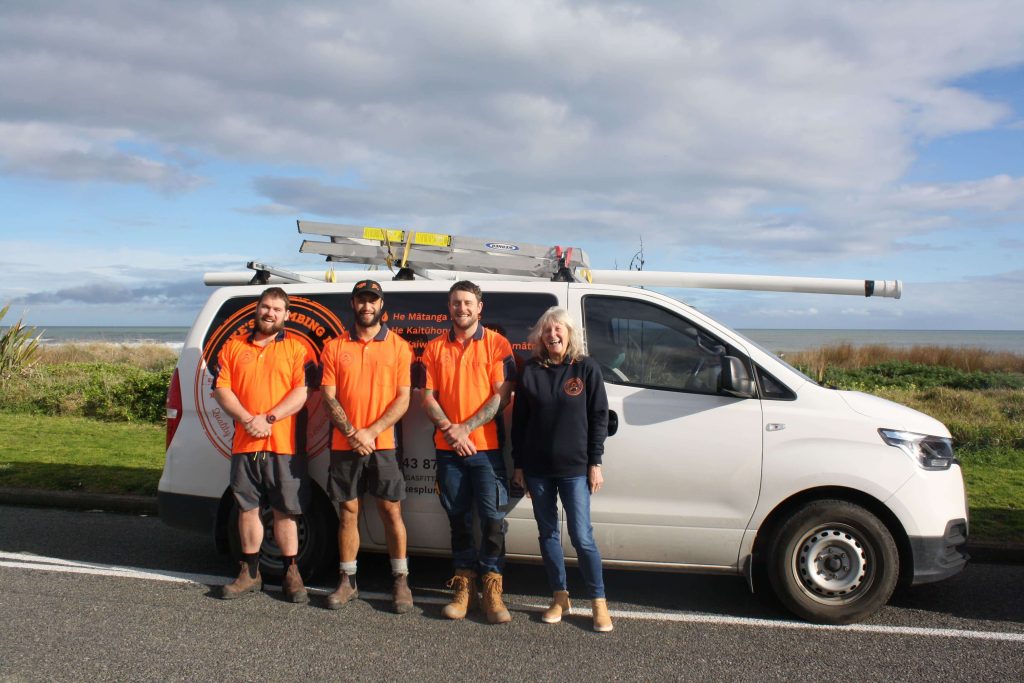
Why Choose Duke's Plumbing for Your Gas Safety Needs
Duke's Plumbing provides comprehensive gasfitting services throughout the Kapiti Coast and Horowhenua regions, combining licensed expertise with commitment to quality service that protects Wellington area homeowners.
Licensed and Experienced Team
All Duke's Plumbing gasfitters hold current licences under the Plumbers, Gasfitters, and Drainlayers Act 2006, providing homeowners with confidence that work meets legal requirements. The team's extensive experience throughout the Kapiti region means familiarity with local housing types, common installation challenges, and optimal solutions for the area's diverse properties.
Comprehensive Service Offering
Duke's Plumbing handles all aspects of residential gasfitting from initial consultation through installation and certification. Services include new appliance installations, system modifications and upgrades, hot water system installations including infinity conversions, heating system installations, outdoor gas connections, compliance assessments of existing installations, and comprehensive certification for all qualifying work.
This full-service approach means homeowners work with a single trusted provider for all gas installation requirements, simplifying project management whilst ensuring consistent quality.
Commitment to Safety and Compliance
Safety represents Duke's Plumbing's primary concern, with all work completed to meet or exceed New Zealand standards. Thorough testing protocols verify installation integrity before certification, whilst clear documentation provides homeowners with complete records of work completed.
The company's commitment to professional standards extends beyond minimum legal requirements to encompass best practice approaches that maximise both safety and system longevity.
Local Knowledge and Service
Operating throughout the Kapiti Coast since 2016, Duke's Plumbing understands the region's specific requirements. From coastal property corrosion concerns to heritage home considerations, from LPG system design to natural gas installations, the team's local knowledge ensures appropriate solutions for diverse property types.
Rapid response times throughout the Kapiti and Horowhenua regions mean convenient scheduling and efficient service that respects homeowners' time whilst delivering quality results.
Transparent Communication
Duke's Plumbing provides clear, written quotations detailing all work to be completed, materials required, certification to be issued, and costs involved. This transparency ensures homeowners understand exactly what they're receiving whilst avoiding unexpected charges or complications.
The team takes time to explain regulatory requirements, answer questions, and ensure homeowners feel confident about work being undertaken on their properties.
Ready to Ensure Your Gas Installation Compliance?
Don't risk safety or legal compliance with uncertified gas installations. Whether you're planning new gas appliance installation, upgrading existing systems, or need compliance assessment of your current installation, Duke's Plumbing provides professional licensed gasfitting service with comprehensive certification.
Contact Duke's Plumbing today to discuss your gas installation requirements and arrange assessment by licensed gasfitters who prioritise safety, quality, and full regulatory compliance.
Call Luke at Duke's Plumbing on 022 543 8789 or email admin@dukesplumbingltd.co.nz to schedule your gas installation consultation.
Frequently Asked Questions
Can I install my own gas appliances in New Zealand?
No. It is illegal to perform gasfitting work in New Zealand without appropriate licensing under the Plumbers, Gasfitters, and Drainlayers Act 2006. This includes connecting gas appliances, modifying gas pipe work, or any work involving gas installations. Only licensed gasfitters may legally perform this work and issue required Gas Safety Certificates. Penalties for unlicensed gasfitting include substantial fines for both the person performing the work and property owners who engage them. Additionally, insurance policies typically exclude coverage for incidents arising from unlicensed work, leaving homeowners personally liable for damage or injury.
How long are Gas Safety Certificates valid?
Gas Safety Certificates do not expire in the traditional sense. The certificate verifies that specific work was completed to required standards at the time of installation. However, the certificate covers only the work described within it. Any subsequent modifications, repairs, or additions to your gas system require new certification. Gas appliances and installations should undergo periodic professional inspection to ensure continued safe operation, though New Zealand does not mandate specific timeframes for residential property inspections as some overseas jurisdictions do. Manufacturers often recommend annual servicing for gas appliances to maintain efficiency and safety.
What happens if I sell my house without gas safety certificates?
New Zealand property law does not mandate provision of Gas Safety Certificates during property sales. However, responsible buyers increasingly request these documents during due diligence, and their absence may affect property marketability or negotiated price. If you cannot provide certificates for gas installations in your property, this raises questions about whether work was completed by licensed gasfitters to legal standards. Buyers may require certification assessment before purchase, potentially at seller expense, or may negotiate price reductions to account for uncertainty about installation compliance. Maintaining complete certificate records throughout your ownership period protects property value and simplifies eventual sale processes.
Can I use gas appliances from overseas in New Zealand?
Gas appliances from overseas may not be suitable for use in New Zealand without modification or endorsement. New Zealand's gas supplies (both natural gas and LPG) have characteristics differing from gases used in many other countries. Appliances must be certified for use with New Zealand gas types to operate safely and efficiently. The Gas (Safety and Measurement) Regulations 2010 require that gas appliances sold or installed in New Zealand meet specific safety standards, verified through compliance labelling or endorsement processes. Licensed gasfitters can advise whether specific imported appliances can be made compliant for New Zealand use and arrange necessary endorsements if possible. Never install or operate overseas appliances without consulting licensed gasfitters, as incompatible appliances may create serious safety hazards.
What should I do if I discover uncertified gas work in my property?
If you discover or suspect that gas installations in your Wellington or Kapiti property were completed without proper certification or potentially by unlicensed practitioners, engage a licensed gasfitter immediately to assess the installation. Licensed gasfitters can evaluate whether work meets current safety standards, identify any deficiencies or hazards, and recommend necessary remedial action. If installations fail to meet safety requirements, you may need remedial work to bring systems into compliance. Do not use gas appliances or systems you suspect may be unsafe or uncompliant. WorkSafe New Zealand investigates complaints about unlicensed gasfitting, and reporting such work helps protect other homeowners whilst ensuring appropriate professional standards. Licensed gasfitters can also provide certificates for existing installations that meet standards, even if original certification is missing, following thorough assessment and any necessary remedial work.
Source Links
- WorkSafe New Zealand Gas Regulations - https://www.worksafe.govt.nz/laws-and-regulations/regulations/gas-regulations/
- Gas (Safety and Measurement) Regulations 2010 - https://www.legislation.govt.nz/regulation/public/2010/0076/latest/DLM2359501.html
- Plumbers, Gasfitters, and Drainlayers Board - https://www.pgdb.co.nz/
- Standards New Zealand Gas Industry Information - https://www.standards.govt.nz/about-us/regulations-and-standards/gas-industry/
- WorkSafe Gas Appliances and Fittings - https://www.worksafe.govt.nz/topic-and-industry/gas/gas-appliances-and-fittings/
- Building Performance Gas Safety - https://www.building.govt.nz/projects-and-consents/apply-for-building-consent/building-work-that-doesnt-need-consent/
- Energy Safety New Zealand - https://www.energysafety.govt.nz/
- Standards New Zealand AS/NZS 5601.1:2022 - https://www.standards.govt.nz/shop/asnzs-5601-12022
- WorkSafe Gas Standards and Codes - https://www.worksafe.govt.nz/laws-and-regulations/standards/gas-standards-and-codes-of-practice/
- New Zealand Legislation Gas Act 1992 - https://www.legislation.govt.nz/act/public/1992/0124/latest/DLM285412.html
Duke's Plumbing Ltd provides comprehensive licensed gasfitting services across Kapiti Coast and Horowhenua. Our experienced team delivers professional gas installations, modifications, and certification that meet New Zealand regulatory standards. Quality plumbing and gasfitting with friendly service since 2016.